Bose Build Headphones
2016-2017
In 2015 Bose released the Bose Build Speaker Cube, an educational kit that led a child through a series of sound experiments while building a working Bluetooth speaker. As a follow up product, the Bose Build Headphones provided a similar educational experience that yielded a working pair of Bluetooth headphones.
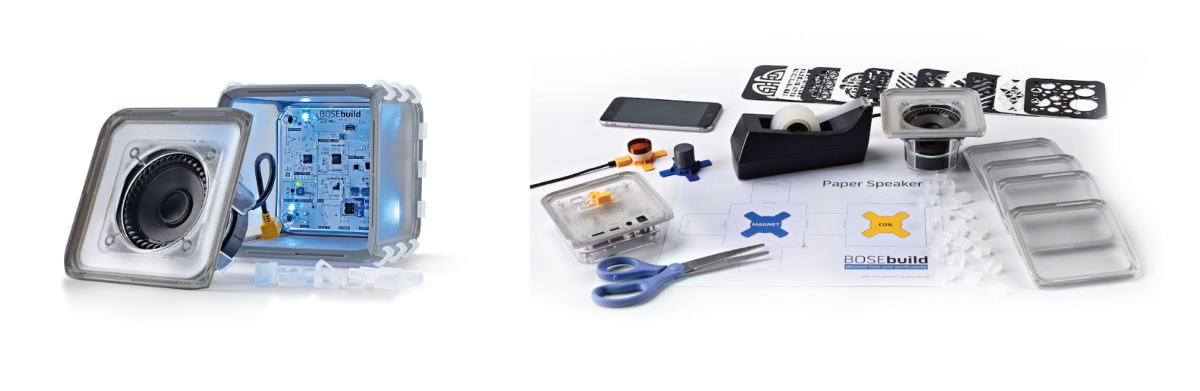
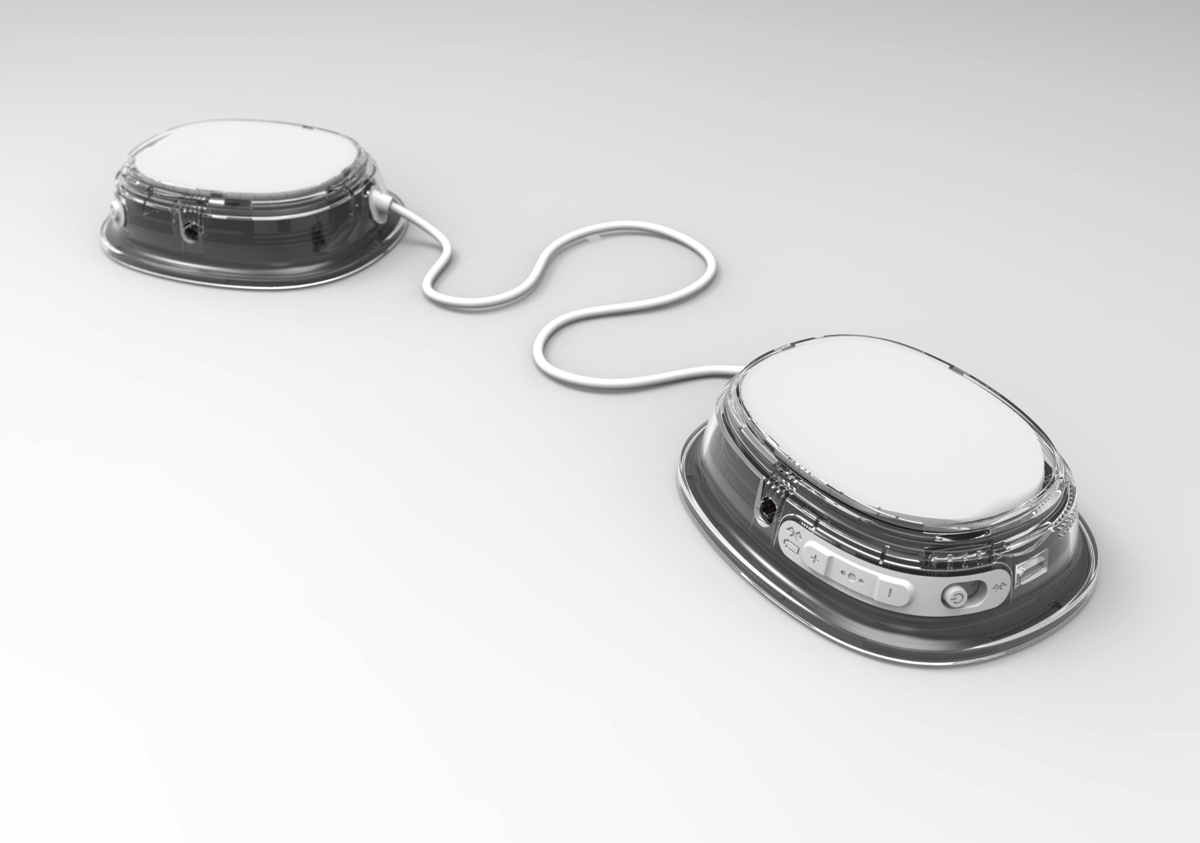
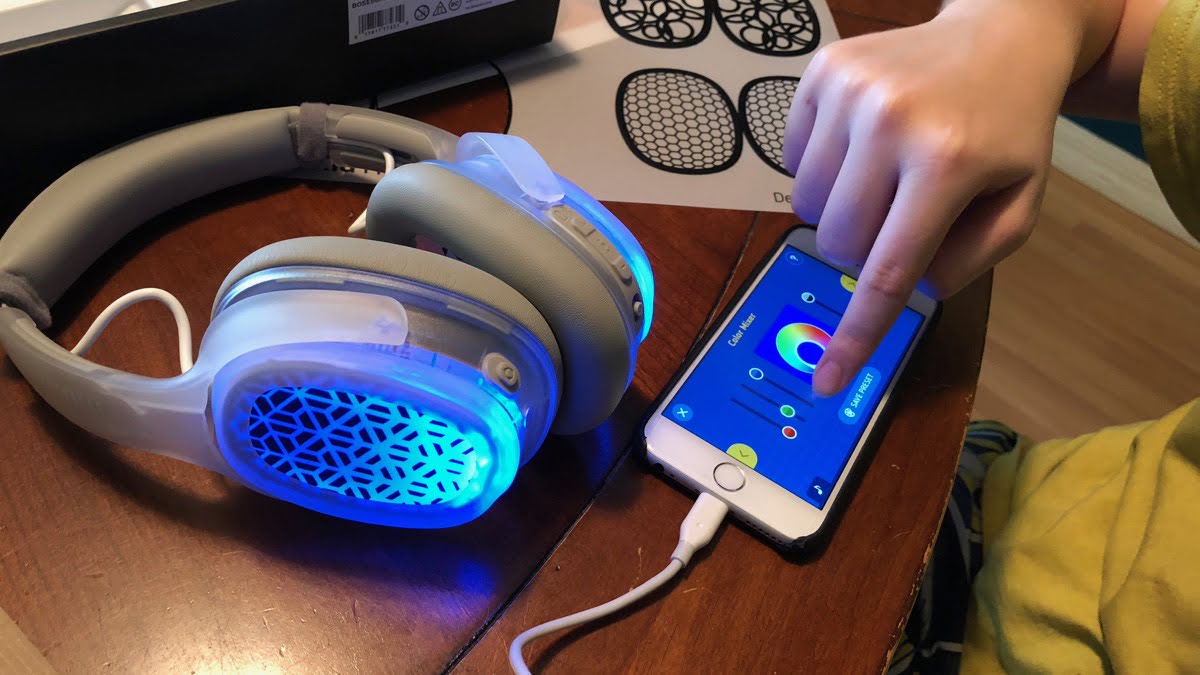
The Bose Build speaker featured highly customizable translucent panels to expose the technology. The included masks and RGB LED lighting encouraged personalization, and CAD files of the panels were provided for 3D printing. I took these CMF and customization features into the ideation for the Bose Build Headphones.
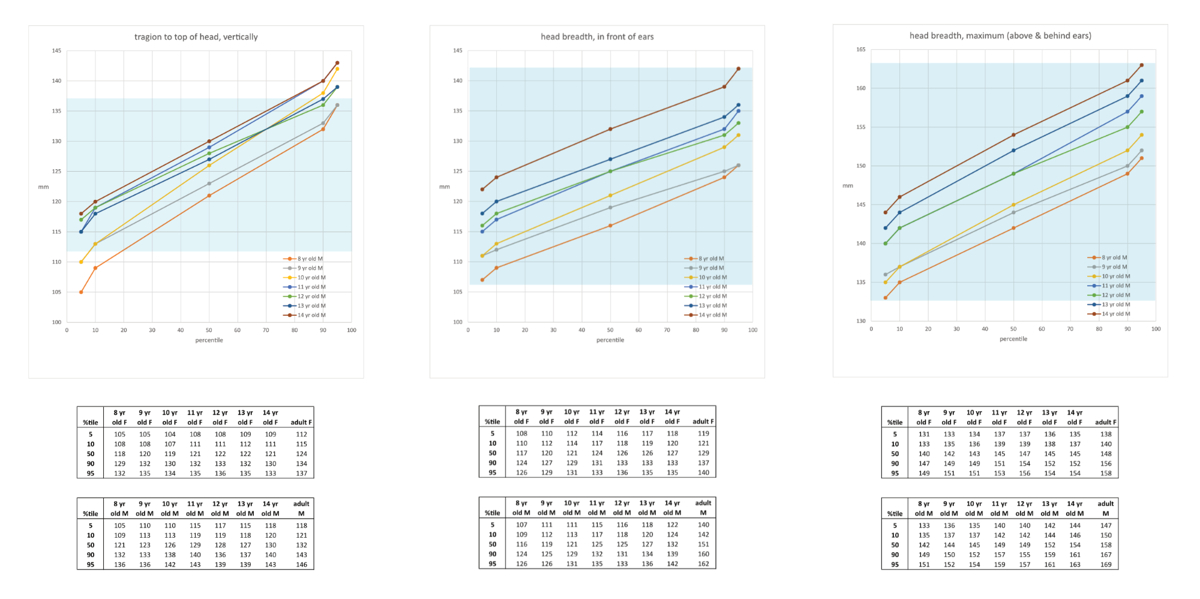
The target users were 8 to 14 year olds, a wide range of head sizes for a one-size-fits-all headphone. I graphed three key measurements across the statistical percentile range of male and female children aged 8 through 14, and chose a minimum and maximum for each metric.
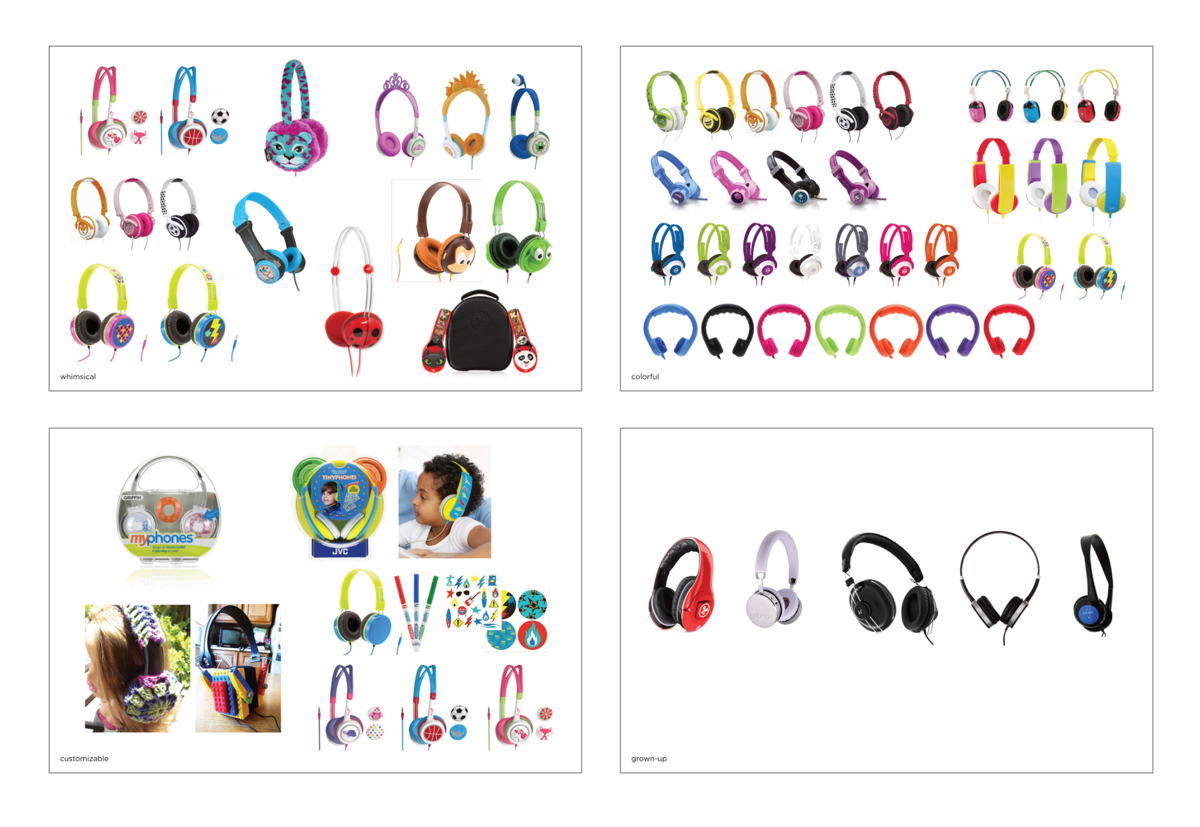
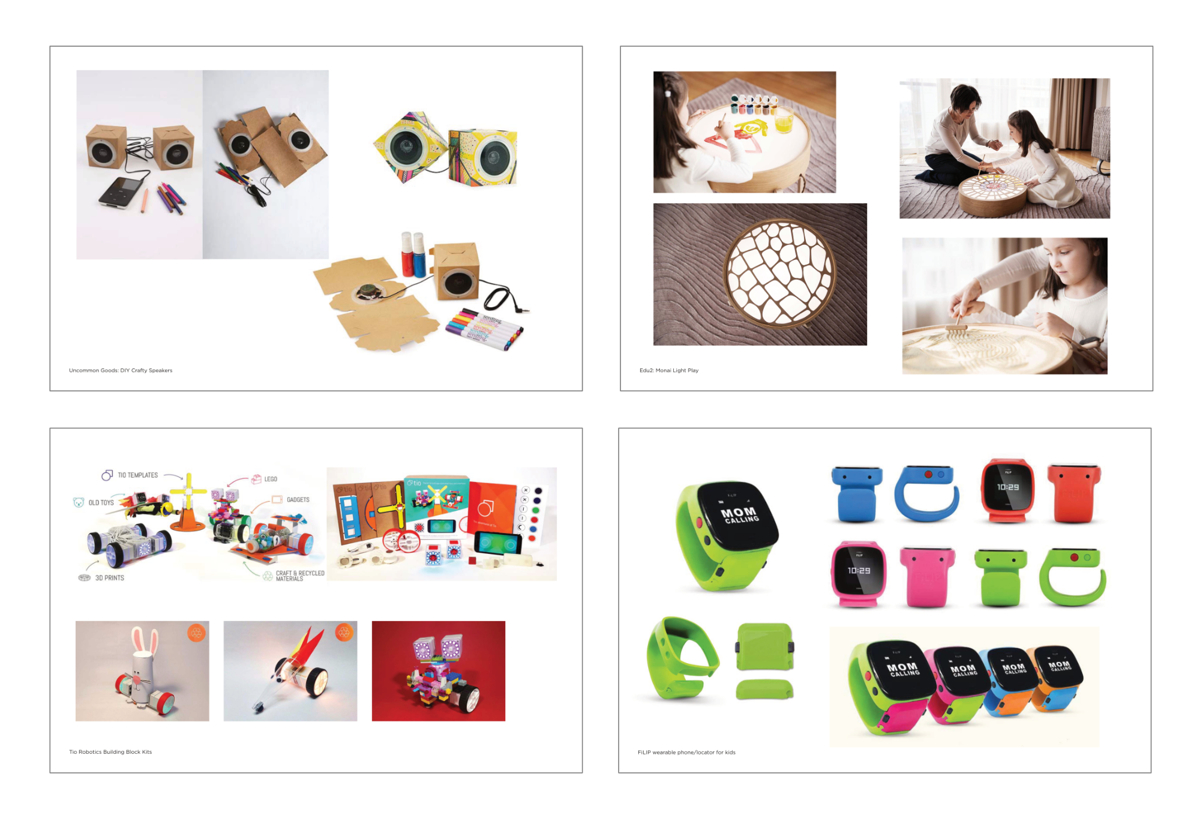
The large age range also represented a challenge to the industrial design, which would need to appeal to 2nd graders and teenagers. I surveyed the existing market for children's headphones and sorted them by characteristics. At the older age range the headphones closely resembled products designed for adults.
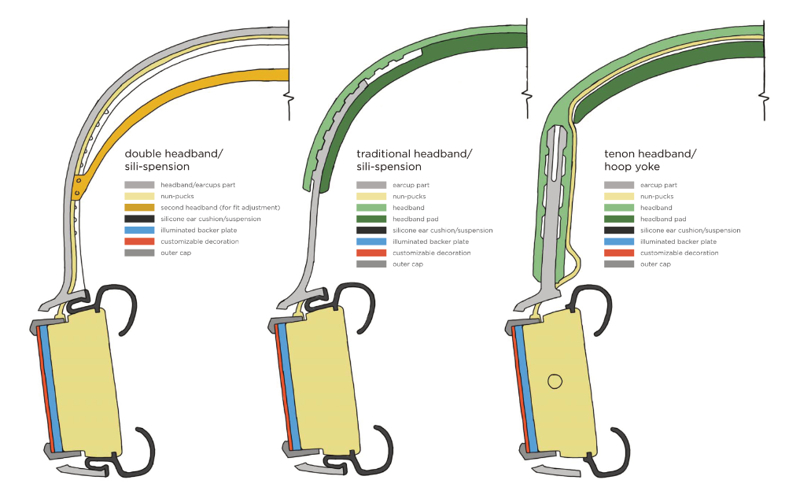
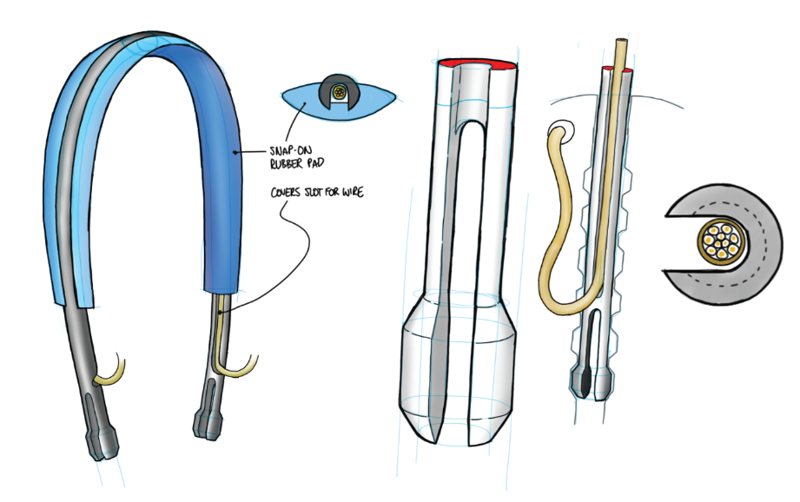
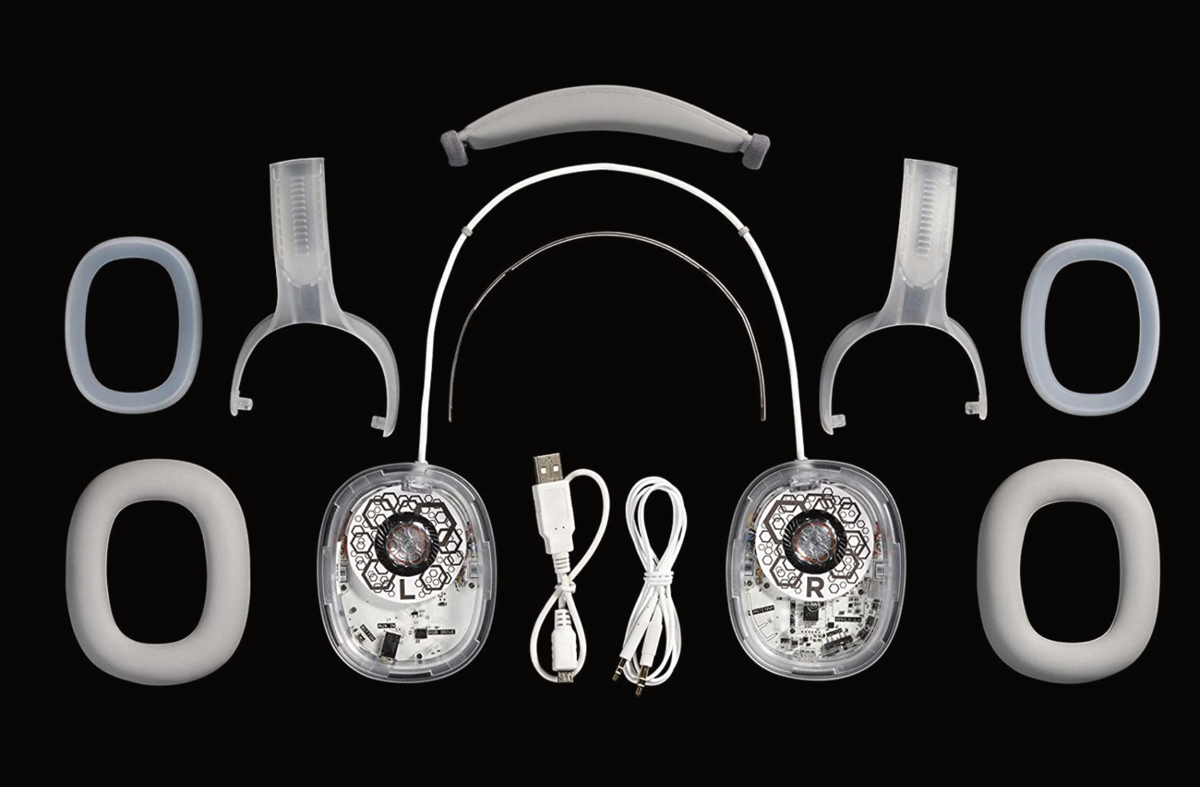
The mechanical architecture was highly constrained, as it had to be assembled by a child without tools but function as well as any Bose headphones. At $149 it would be Bose's least expensive banded headphones, adding additional pressure to reduce the BOM cost. I spent some time ideating on alternative architectures that would be easy to assemble and reduce part count and BOM cost.
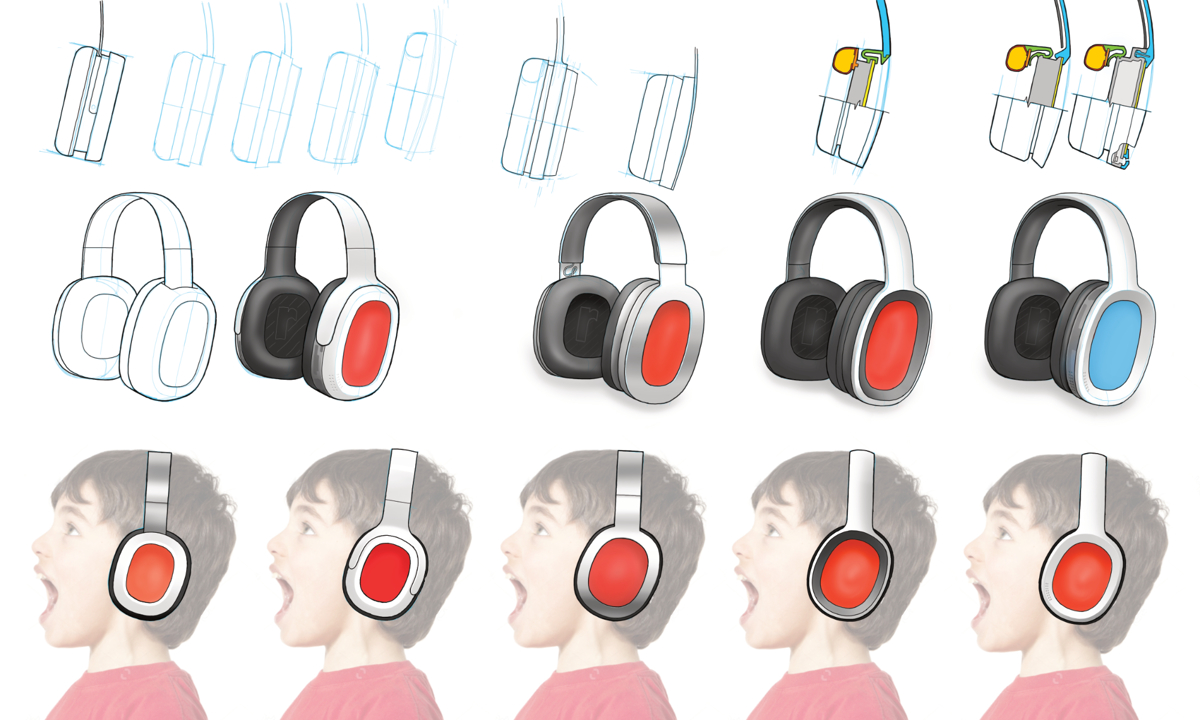
Early sketches explored form and part splits, focused around a customizable RGB LED panel.
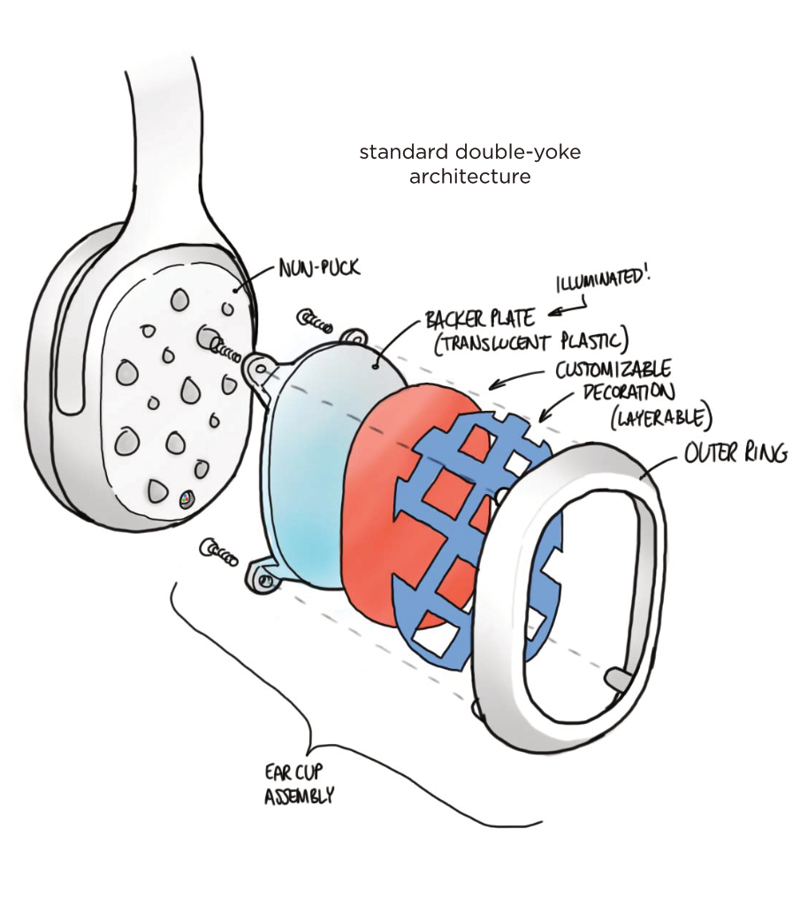
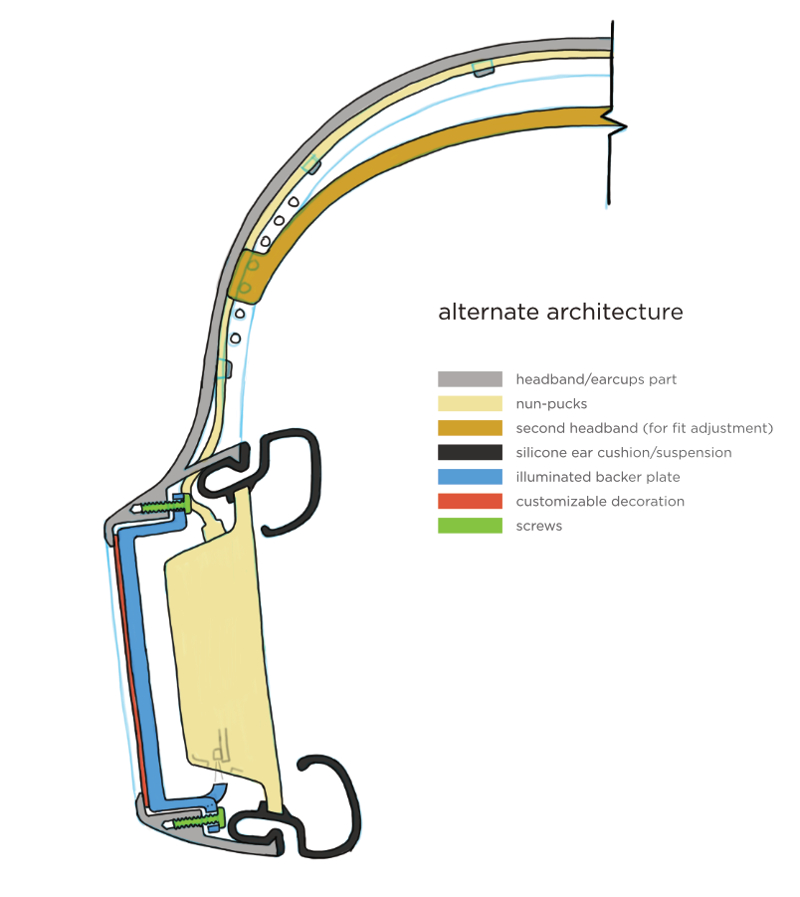
I ultimately expanded the LED panel idea to include a removable rim that could trap paper, fabric, laser-cut, or 3D printed inserts for customization. To reduce risk, the traditional double-yoke architecture was chosen over the alternative proposals.
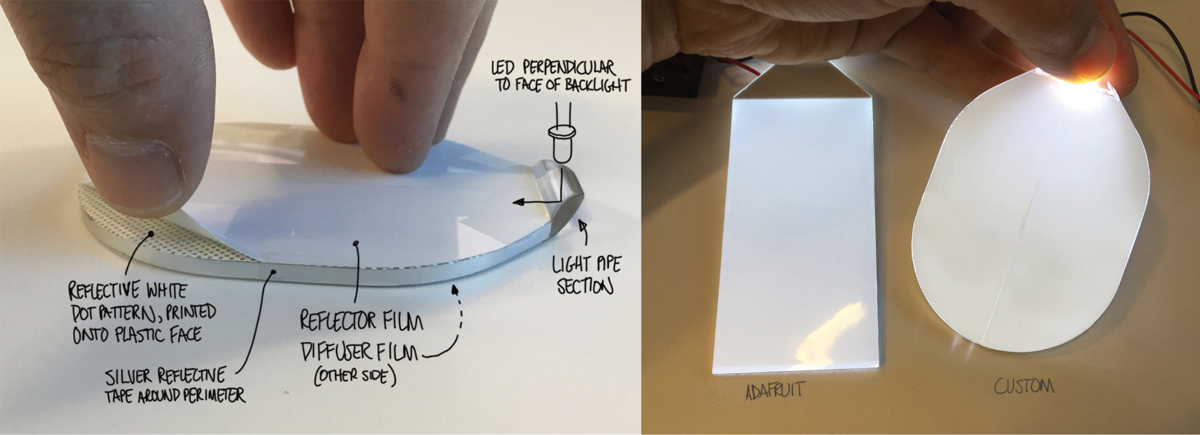
To prove out the functionality of the backlit surface, I sourced an existing LED backlight diffuser and based our design off of it. With the help of the internal model shop I built a proof-of-concept.
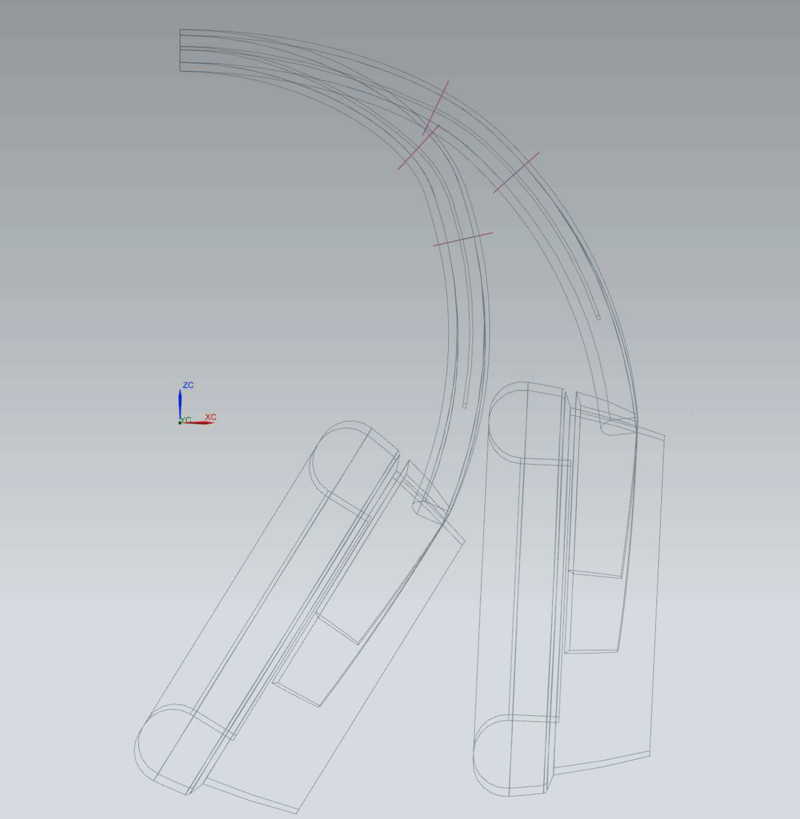
I built the intial ID CAD model in NX, which was eventually shared with the mechanical engineer. We collaborated throughout the design phases to work through mechanical and usability problems.
The final design was molded in translucent PC/ABS to expose the mechanical, acoustic, and electronic functionality. The Bose Build Headphones launched in June of 2018.